
The allure of excitement
The thrill of gambling has a magnetic draw for many individuals, creating an atmosphere alive with adrenaline and anticipation. Casinos offer a unique blend of entertainment, social interaction, and the possibility of significant financial gain. The excitement of placing a bet, the rush as the reels spin, or the tension at the poker table can lead to profound emotional highs. This exhilarating experience is further amplified by the vibrant lights and sounds that characterize a casino environment, where players can explore options like online casino gaming, transforming a mundane night out into an adventure charged with energy.
Moreover, the unpredictability of gambling ignites a sense of curiosity and hope. Players often feel a sense of fate is in their hands, making decisions that could lead to unexpected victories or losses. This element of chance enhances the entire experience, as individuals crave that moment of suspense—waiting to see if their luck will turn. In a world where outcomes are typically predictable, casinos bring an unpredictable element that excites and delights, allowing guests to escape the routine of daily life.
Additionally, social interaction plays a crucial role in the allure of casinos. Many people enjoy the camaraderie found among fellow gamblers, sharing strategies, celebrating wins, and empathizing over losses. This communal experience fosters a sense of belonging, as visitors often view their time in the casino as more than just gambling—it becomes a social outing. The combination of excitement and social engagement is a powerful motivator, encouraging people to return again and again, creating lasting friendships and memories unique to the casino environment.
The psychological factors behind gambling
Understanding the psychological allure of gambling reveals why so many individuals are captivated by casinos. The phenomenon of “loss aversion,” a concept from behavioral economics, explains that the pain of losing is often felt more intensely than the joy of winning. This fear of loss incentivizes players to return to the roulette wheel or card table in hopes of recouping their losses. The thought that the next round could bring victory keeps individuals engaged, forging an unbreakable cycle of gambling behavior where the stakes feel increasingly significant.
Another psychological aspect is the thrill of risk-taking. Many individuals find excitement in taking risks, and gambling provides a safe environment to engage in this behavior. The stakes may vary, but the heart-pounding terror and thrill of betting larger amounts can become addictive. It’s not just the potential for financial gain that draws players in, but also the rush of taking chances and the satisfaction derived from strategic decision-making. As participants engage with games of chance, they often experience a heightened sense of empowerment, believing they can influence the odds in their favor through skill and intuition.
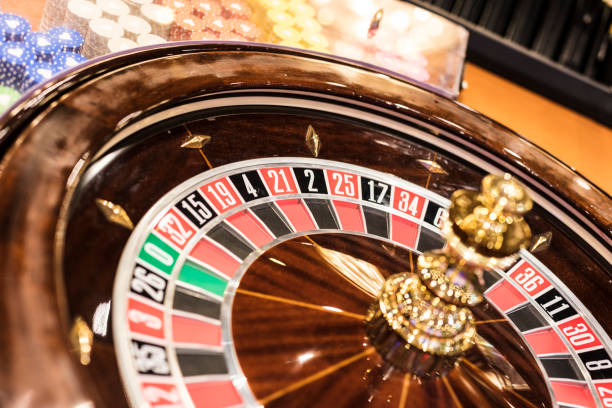
Lastly, the concept of “near misses” plays a significant role in the psychological appeal of gambling. When a player almost wins—such as landing two out of three matching symbols on a slot machine—they experience a surge of excitement, which can amplify their desire to continue playing. These near misses create a false sense of hope, leading individuals to believe that success is just around the corner. This powerful psychological reinforcement keeps players returning, chasing the elusive win in a seemingly endless quest for luck and fortune, often leading to a cycle of engagement that is difficult to break.
The impact of casino design and atmosphere
The design and atmosphere of a casino greatly influence player engagement and attraction. Carefully crafted environments are designed to captivate and maintain players’ attention. The use of vibrant colors, dynamic lighting, and engaging soundscapes all contribute to an immersive experience that envelops visitors from the moment they step inside. This strategic design encourages prolonged stays, as players become entranced by their surroundings, often losing track of time as they explore the various offerings.
Furthermore, the layout of casinos is meticulously planned to maximize player engagement. Games are strategically placed to create a flow that draws individuals through various areas. High-stakes tables may be positioned near bars and lounges to tempt players into venturing to drink and socialize before returning to the action. This arrangement not only increases spending but also fosters a sense of urgency to capitalize on potential wins, leaving players less likely to exit the premises. The seamless integration of gaming and leisure creates a holistic entertainment experience.
The ambiance of a casino is also enhanced through the incorporation of luxury and comfort. High-end resorts often feature lavish decorations, fine dining options, and immersive entertainment, creating an atmosphere where visitors feel both pampered and energized. The combination of luxury and thrill heightens the overall experience, leading to a deeper connection with the establishment. Ultimately, this attention to detail enhances guests’ enjoyment, making them more likely to return time and again, as they associate the casino with a high-quality entertainment experience.
The thrill of winning and the agony of losing
The highs and lows of gambling create a rollercoaster of emotions for players, further enhancing their attraction to casinos. The joy of winning—even small amounts—can lead to an adrenaline rush that players crave. This euphoric feeling is often celebrated with cheers and camaraderie among friends, creating lasting memories. For many, the exhilaration of a big win serves as a motivator, encouraging them to keep playing in anticipation of future fortunes, while the communal celebration of wins enhances the social aspect of the experience.

On the flip side, the reality of losing is an inevitable part of the gambling experience. While it can be disheartening, it also serves to intensify the thrill of future bets. Many players find themselves in a constant battle between the hope of winning and the reality of loss, which fuels their desire to return. The complexity of these emotions creates a profound attachment to the gaming experience, keeping players engaged long after they have stepped away from the table. This emotional investment can lead to a deeper love for the games and the environment.
Understanding these emotional dynamics is essential for recognizing why casinos remain popular. The interplay between winning and losing creates a unique psychological landscape that is hard to resist. The deep emotional imprints left by both victorious moments and disappointments make up a significant part of the allure of gambling, ensuring that many will continue to seek the next exhilarating experience, regardless of the outcome, as they navigate the thrilling highs and challenging lows of the gaming world.
Discovering responsible gaming practices
As the fascination with casinos continues to grow, it’s essential to address the importance of responsible gaming. Casino operators are increasingly recognizing their role in promoting healthy gaming behaviors. Many establishments provide educational resources and support programs to help players understand the risks associated with gambling, aiming to foster a safe environment for all visitors. This proactive approach is crucial in maintaining a positive experience for players and ensuring the long-term sustainability of the industry, where fun is balanced with safety.
Promoting responsible gaming also helps to mitigate the potential negative consequences associated with gambling addiction. Awareness campaigns and tools designed to assist players in self-regulating their activities can significantly reduce the chances of harmful behavior. Setting personal limits on spending or playtime can empower individuals to enjoy the thrill of the gamble without falling into destructive patterns. Ultimately, responsible gaming practices are essential for ensuring that casinos remain enjoyable venues for entertainment while encouraging a healthy relationship with gaming.
Furthermore, engaging with the community can facilitate a dialogue about responsible gaming. By hosting workshops and seminars, casinos can create awareness about the potential risks and benefits of gambling. Such programs not only benefit the players but can also enhance the reputation of the casino, demonstrating a commitment to the welfare of their guests. By prioritizing responsible gaming, casinos can create a healthier gaming environment that promotes the thrill of the gamble in a safe and enjoyable manner, ultimately enriching the experience for everyone involved.